The Importance of Diagnosing an Ankle Sprain

The bones in the ankle are connected by a variety of ligaments. Ankle sprains occur when these ligaments become either overstretched or torn, usually because the ankle is twisted. Mild ankle sprains mean that the ankle is tender and swollen, but more severe ankle sprains can make the ankle unstable and unable to support any weight. Patients who believe they may have sprained an ankle would be wise to consult with a podiatrist, because the symptoms of an ankle sprain are similar to those of a broken ankle, and an x-ray may be necessary. Recurring or severe sprains can also cause long-term weakness and joint pain. Upon the diagnosis of an ankle sprain (or fracture), a podiatrist will be able to provide a treatment plan for the injury.   

Although ankle sprains are common, they aren’t always minor injuries. If you need your ankle injury looked at, contact one of our podiatrists from Lewis Wolstein, DPM, P.C. & Associates. Our doctors can provide the care you need to keep you pain-free and on your feet.

How Does an Ankle Sprain Occur?

Ankle sprains are the result of a tear in the ligaments within the ankle. These injuries may happen when you make a rapid shifting movement while your foot is planted. A less common way to sprain your ankle is when your ankle rolls inward while your foot turns outward.

What Are the Symptoms?

  • Pain at the sight of the tear
  • Bruising/Swelling
  • Ankle area is tender to touch
  • In severe cases, may hear/feel something tear
  • Skin discoloration

Preventing a Sprain

  • Wearing appropriate shoes for the occasion
  • Stretching before exercises and sports
  • Knowing your limits

Treatment of a Sprain

In many cases, the RICE method (Rest, Ice, Compression, and Elevate) is used to treat ankle sprains. However, you should see a podiatrist to see which treatment option would work best with your injury. In severe cases, surgery may be required.

It is important to ask your doctor about rehab options after you receive treatment for your injury. Stretching, strength training, and balance exercises may help the ankle heal while also preventing further injury.

If you have any questions, please feel free to contact our office located in Co-Op City, NY . We offer the newest diagnostic and treatment technologies for all your foot care needs.
Read more about Ankle Sprains

Understanding Plantar Fasciitis

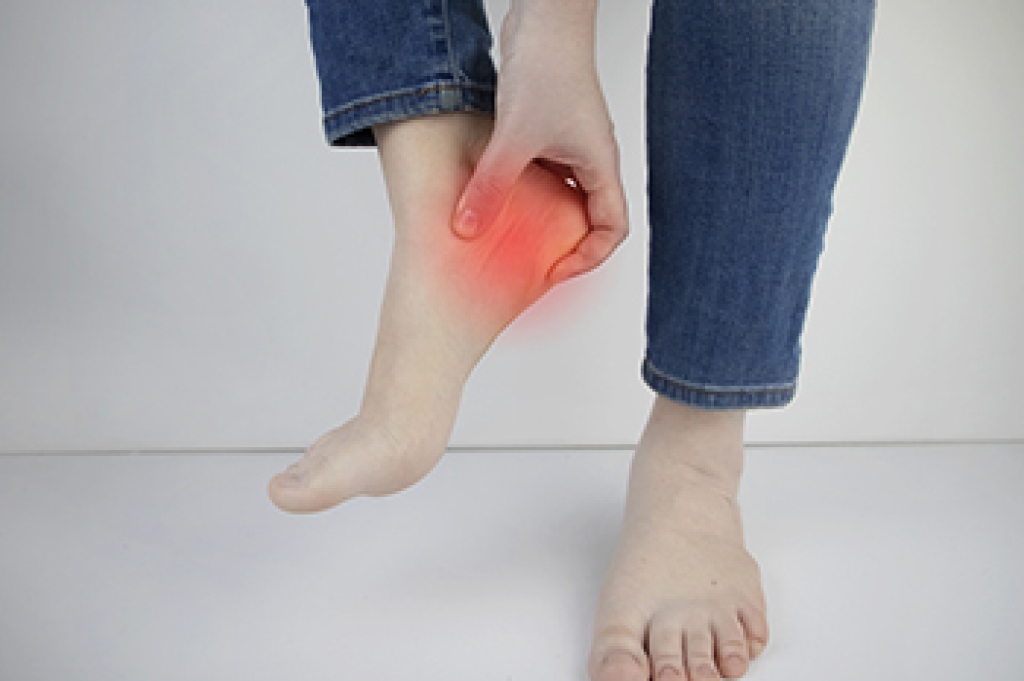
Plantar fasciitis is often associated with certain factors that can cause the band of tissue on the sole of the foot (plantar fascia) to become stressed, damaged, or even torn. These factors include engaging in physical activities that stretch the plantar fascia, such as running, tennis, step aerobics, and volleyball. Other factors include being obese or pregnant, wearing footwear with poor support in the arch and heel, or having flat feet, high arches or other structural issues of the feet. The symptoms of plantar fasciitis include heel pain and stiffness, which is often more intense in the morning or after periods of rest. A podiatrist can often diagnose plantar fasciitis—and distinguish it from other conditions that cause heel pain—by considering the patient’s symptoms and history, performing a physical examination, and analyzing X-rays and other imaging tests. If you feel pain in your heel, it is suggested that you contact a podiatrist as soon as possible to get your issue properly diagnosed and treated.

Plantar fasciitis can be very painful and inconvenient. If you are experiencing heel pain or symptoms of plantar fasciitis, contact one of our podiatrists  from Lewis Wolstein, DPM, P.C. & Associates. Our doctors can provide the care you need to keep you pain-free and on your feet.

What Is Plantar Fasciitis?

Plantar fasciitis is the inflammation of the thick band of tissue that runs along the bottom of your foot, known as the plantar fascia, and causes mild to severe heel pain.

What Causes Plantar Fasciitis?

  • Excessive running
  • Non-supportive shoes
  • Overpronation
  • Repeated stretching and tearing of the plantar fascia

How Can It Be Treated?

  • Conservative measures – anti-inflammatories, ice packs, stretching exercises, physical therapy, orthotic devices
  • Shockwave therapy – sound waves are sent to the affected area to facilitate healing and are usually used for chronic cases of plantar fasciitis
  • Surgery – usually only used as a last resort when all else fails. The plantar fascia can be surgically detached from the heel

While very treatable, plantar fasciitis is definitely not something that should be ignored. Especially in severe cases, speaking to your doctor right away is highly recommended to avoid complications and severe heel pain. Your podiatrist can work with you to provide the appropriate treatment options tailored to your condition.

If you have any questions, please feel free to contact our office located in Co-Op City, NY . We offer the newest diagnostic and treatment technologies for all your foot care needs.
Read more about Plantar Fasciitis

Get Professional Care for a Broken Foot or Ankle

Constant care and regular evaluation are important for a foot or ankle fracture. If left untreated, foot or ankle fractures can worsen over time and create more serious problems.

Don't wait to be examined if you believe you've experienced a foot or ankle fracture.

Helping Your Teen Daughter Balance Foot Health and Fashion

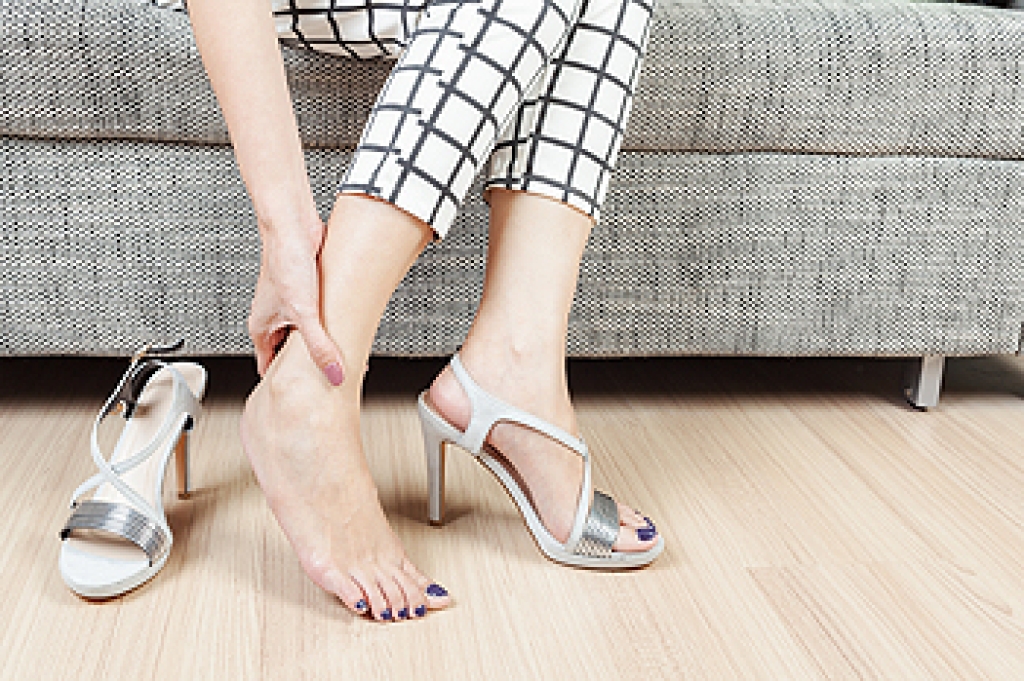
You can help your teenage daughter strike a healthy balance between foot health and fashion. Encourage them to wear more supportive footwear (which can still be cute) on a daily basis, while reserving high heels for special occasions. Explain that wearing high heels regularly can damage their muscles and even change their gait. Go over modifications that can help mitigate any damage caused by high heels while still satisfying their desire to be fashionable. For instance, 1 or 2 inch heels can cause fewer foot issues than 4 inch heels. Wider high heels help distribute body weight much more evenly than stilettos, and wider toe boxes avoid toes being squished from pointy or narrow-toed shoes that place excessive pressure on the bones of the foot. When you take them shoe shopping, help them choose footwear that fits well and is comfortable right then and there, rather than buying tighter shoes with the hope of stretching them out at home. Most flip flops do not provide adequate support either and should only be worn getting to and from the beach, in public places that are wet (around pools, in locker rooms and public showers, etc.) and for short periods of time. For more tips on proper footwear and foot care for your teenager, contact a podiatrist.

Making sure that your children maintain good foot health is very important as they grow. If you have any questions, contact one of our podiatrists of Lewis Wolstein, DPM, P.C. & Associates. Our doctors can provide the care you need to keep you pain-free and on your feet.

Keeping Children's Feet Healthy

Having healthy feet during childhood can help prevent medical problems later in life, namely in the back and legs. As children grow, their feet require different types of care. Here are some things to consider...

Although babies do not walk yet, it is still very important to take care of their feet.

Avoid putting tight shoes or socks on his or her feet.

Allow the baby to stretch and kick his or her feet to feel comfortable.

As a toddler, kids are now on the move and begin to develop differently. At this age, toddlers are getting a feel for walking, so don’t be alarmed if your toddler is unsteady or ‘walks funny’. 

As your child gets older, it is important to teach them how to take care of their feet.

Show them proper hygiene to prevent infections such as fungus.

Be watchful for any pain or injury.

Have all injuries checked by a doctor as soon as possible.

Comfortable, protective shoes should always be worn, especially at play.

If you have any questions, please feel free to contact our office located in Co-Op City, NY . We offer the newest diagnostic and treatment technologies for all your foot care needs.

Read more about What to Do to Keep Your Child’s Feet Healthy

Can Running Shoes Be Worn for Walking?

Shoes made for walking are usually different from those designed for runners because the mechanics of each activity are different and require shoes that meet those needs. The main difference between walking and running is that when you run, there is a moment when both feet are off the ground. When you walk, one foot is always on the ground. The shift from one foot to the other is gradual, and your weight is transferred from heel to toe much more slowly. Here are some things to look for when searching for a running shoe that you can walk in. It might be a good idea to choose a shoe with a beveled, or angled heel to help with smoother landings. The outsole should have as much ground contact as possible and because the foot bends more in walking, look for a shoe with a flexible forefoot area. Also, try to find a shoe with ample cushioning in the forefoot, but guard against too much cushioning which can tire the feet more easily when walking. If you are unsure of what shoe is best for your feet, please contact a podiatrist for recommendations.

If you are a runner, wearing the right running shoe is essential. For more information, contact one of our podiatrists from Lewis Wolstein, DPM, P.C. & Associates. Our doctors can provide the care you need to keep you pain-free and on your feet.

Choosing the Right Running Shoe for Your Foot Type

To increase performance and avoid the risk of injury, it is important to choose the right running shoe based on your foot type. The general design of running shoes revolves around pronation, which is how the ankle rolls from outside to inside when the foot strikes the ground.

  • Neutral runners are able to choose from a wide variety of shoes, including minimalist shoes or even going barefoot.
  • Runners who overpronate, or experience an over-abundance of ankle rolling, should choose shoes that provide extra motion control and stability.
  • Runners who underpronate, or supinate, have feet that have high arches and lack flexibility, preventing shock absorption. They require shoes with more flexibility and cushion.

If you have any questions, please feel free to contact our office located in Co-Op City, NY . We offer the newest diagnostic and treatment technologies for all your foot care needs.

Read more about Choosing the Right Running Shoe for Your Foot Type

Connect With Us