
Plantar warts are small growths that develop on parts of the feet that bear weight. They're typically found on the bottom of the foot. Don't live with plantar warts, and call us today!
Plantar warts are small growths that develop on parts of the feet that bear weight. They're typically found on the bottom of the foot. Don't live with plantar warts, and call us today!

Foot pain can stem from a variety of causes, each affecting movement and comfort. Contusions may result from blunt trauma, causing swelling and discoloration, and may happen following an ankle sprain. Puncture wounds can lead to deep tissue damage and infection, if untreated. Ligament injuries often cause joint instability, while tendon injuries may limit flexibility and strength. Sprains stretch or tear the soft tissue around joints, leading to pain and reduced function. Each condition requires careful evaluation to prevent long-term complications. A podiatrist can diagnose the source of pain, provide targeted treatment, and guide recovery through footwear advice or minor procedures. If you are experiencing persistent or sharp foot or ankle pain, it is suggested that you consult a podiatrist for an accurate diagnosis and treatment.
Foot Pain
Foot pain can be extremely painful and debilitating. If you have a foot pain, consult with one of our podiatrists from Lewis Wolstein, DPM, P.C. & Associates. Our doctors will assess your condition and provide you with quality foot and ankle treatment.
Causes
Foot pain is a very broad condition that could be caused by one or more ailments. The most common include:
Diagnosis
To figure out the cause of foot pain, podiatrists utilize several different methods. This can range from simple visual inspections and sensation tests to X-rays and MRI scans. Prior medical history, family medical history, and any recent physical traumatic events will all be taken into consideration for a proper diagnosis.
Treatment
Treatment depends upon the cause of the foot pain. Whether it is resting, staying off the foot, or having surgery; podiatrists have a number of treatment options available for foot pain.
If you have any questions, please feel free to contact our office located in Co-Op City, NY . We offer the newest diagnostic and treatment technologies for all your foot care needs.
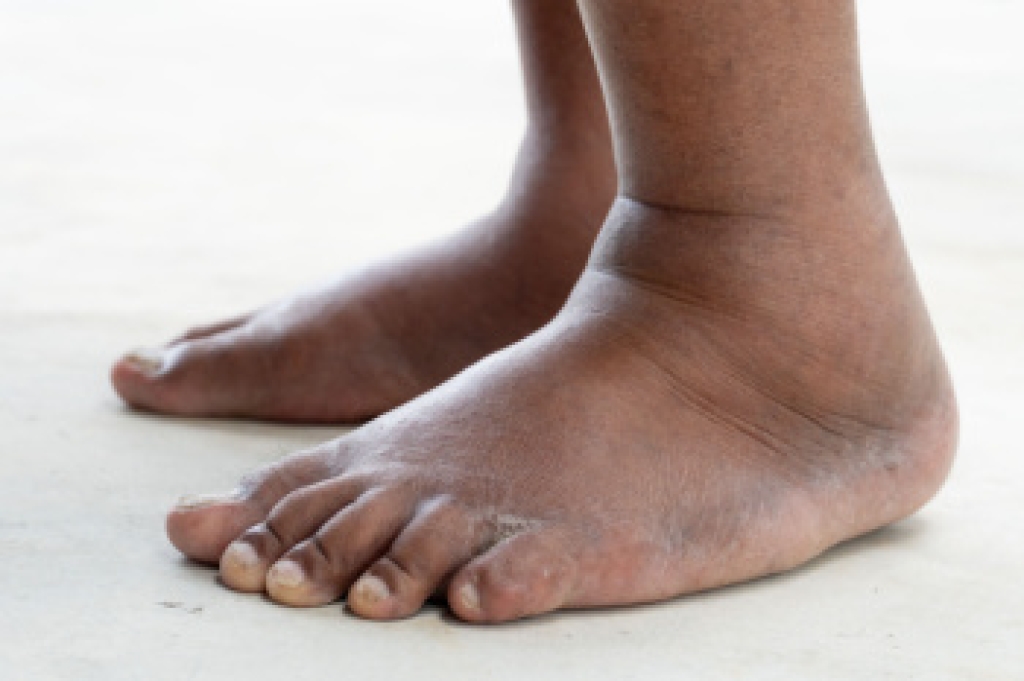
Leg and ankle swelling, also known as edema, can result from a variety of causes, including circulation problems, injury, prolonged sitting, or underlying health conditions. It may feel tight, heavy, or uncomfortable, and the skin can appear stretched or shiny. Simple steps like elevating the legs, wearing compression socks, and reducing salt intake can sometimes bring relief. However, persistent or worsening swelling may signal something more serious. Conditions such as vein disease, heart issues, or lymphatic problems can all contribute to fluid buildup in the lower limbs. Because untreated edema can lead to skin damage, discomfort, or infection, ongoing swelling should never be ignored. If you notice puffiness that does not improve or comes with other symptoms, it is suggested that you see a podiatrist for an in-depth evaluation and the right course of treatment.
Swollen feet can be a sign of an underlying condition. If you have any concerns, contact one of our podiatrists of Lewis Wolstein, DPM, P.C. & Associates. Our doctors can provide the care you need to keep you pain-free and on your feet.
Swollen feet are a common ailment among pregnant women and people who stand or sit for extended periods. Aging may increase the possibility of swollen feet and patients who are obese often notice when their feet are swelling too. There may be medical reasons why swollen feet occur:
Swollen feet can also be caused by bone and tendon conditions, including fractures, arthritis, and tendinitis. Additionally, there may be skin and toenail conditions and an infection may cause the feet to swell. Patients who take medicine to treat high blood pressure may be prone to getting swollen feet.
Many patients elevate their feet to help relieve the swelling and this is generally a temporary remedy. When a podiatrist is consulted the reason behind the swelling can be uncovered and subsequently treated.
If you have any questions please contact our office located in Co-Op City, NY . We offer the newest diagnostic and treatment technologies for all your foot and ankle needs.
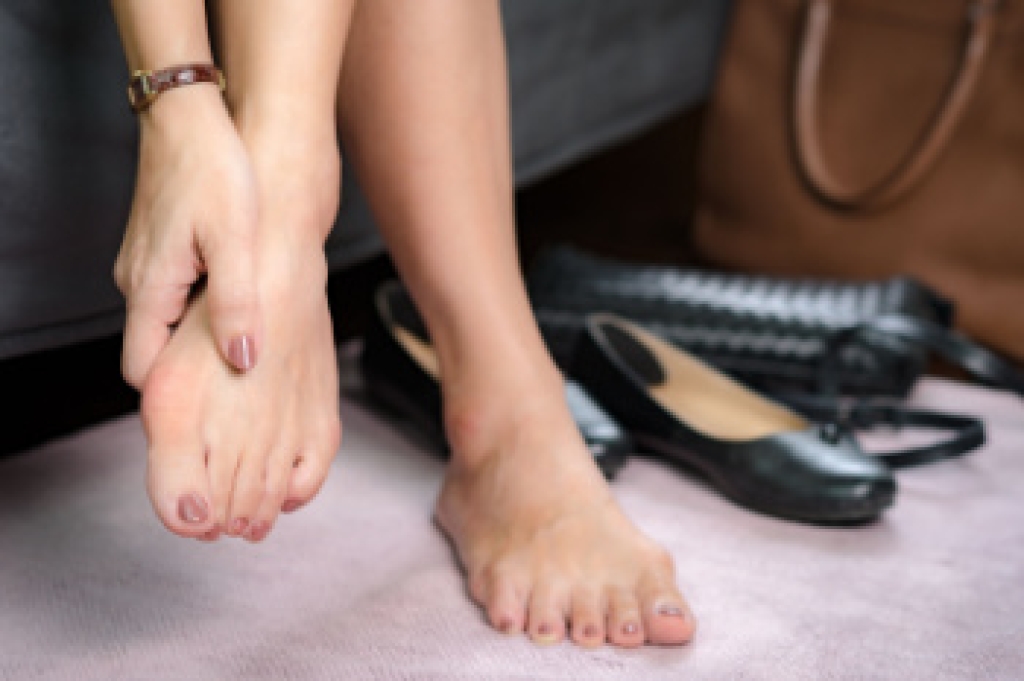
A bunion is a bony bump that forms at the base of the big toe. A bunion is often caused by pressure on the joint from improper foot structure, arthritis, or wearing ill-fitting shoes. Symptoms include swelling, redness, and pain, especially when wearing tight or narrow footwear. Wearing the right shoes is essential for bunion relief. Supportive shoes with a wide toe box, soft materials, and low heels help reduce pressure and prevent worsening. A podiatrist can evaluate the bunion, recommend proper footwear, custom orthotics, and provide advanced treatment to relieve discomfort. If you have bunion pain or difficulty finding comfortable shoes, it is suggested that you visit a podiatrist who can provide relief and treatment solutions.
If you are suffering from bunion pain, contact one of our podiatrists of Lewis Wolstein, DPM, P.C. & Associates. Our doctors can provide the care you need to keep you pain-free and on your feet.
What Is a Bunion?
Bunions are painful bony bumps that usually develop on the inside of the foot at the joint of the big toe. As the deformity increases over time, it may become painful to walk and wear shoes. Women are more likely to exacerbate existing bunions since they often wear tight, narrow shoes that shift their toes together. Bunion pain can be relieved by wearing wider shoes with enough room for the toes.
Causes
Symptoms
In order to diagnose your bunion, your podiatrist may ask about your medical history, symptoms, and general health. Your doctor might also order an x-ray to take a closer look at your feet. Nonsurgical treatment options include orthotics, padding, icing, changes in footwear, and medication. If nonsurgical treatments don’t alleviate your bunion pain, surgery may be necessary.
If you have any questions, please feel free to contact our office located in Co-Op City, NY . We offer the newest diagnostic and treatment technologies for all your foot care needs.
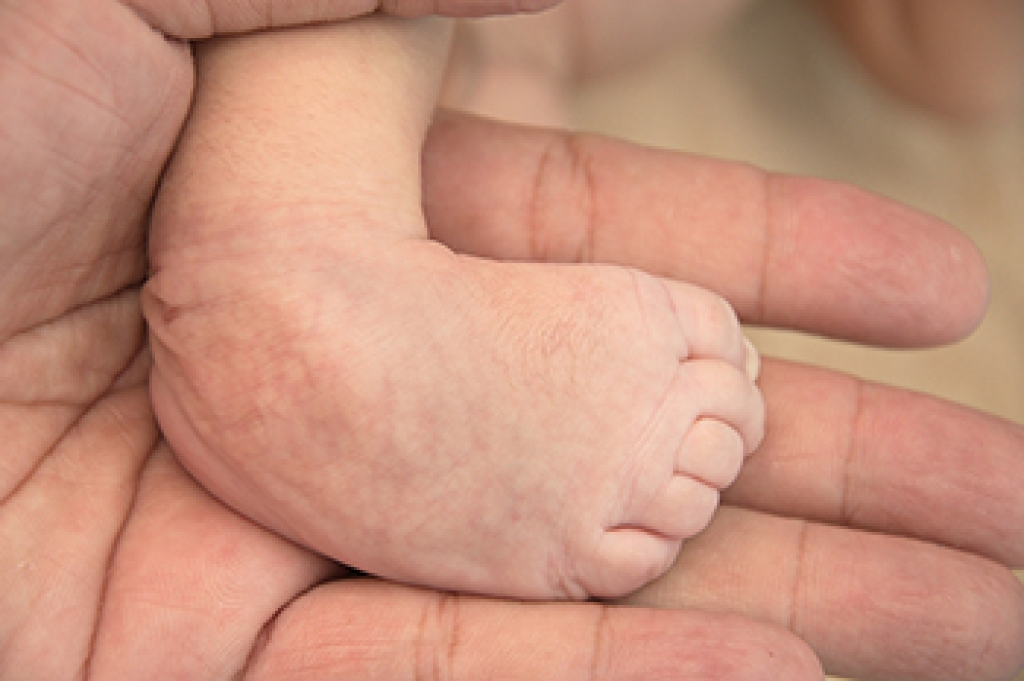
Clubfoot is a congenital condition where a newborn's foot is twisted out of its normal position. The foot turns inward and downward, affecting one or both feet. The exact cause is not always known, but genetic factors and conditions affecting fetal development may play a role. Symptoms include visible foot deformity, limited range of motion, and differences in leg length or muscle tone. Early diagnosis and treatment are important to avoid long-term disability. A podiatrist can offer guidance by recommending or overseeing corrective treatments, such as casting, bracing, or, in some cases, surgery. If your infant has signs of clubfoot, it is suggested that you consult a podiatrist and include this type of doctor on your healthcare team to ensure the best outcome.
Congenital foot problems require immediate attention to avoid future complications. If you have any concerns, contact one of our podiatrists of Lewis Wolstein, DPM, P.C. & Associates. Our doctors can provide the care you need to keep you pain-free and on your feet.
Congenital foot problems are deformities affecting the feet, toes, and/or ankles that children are born with. Some of these conditions have a genetic cause while others just happen. Some specific foot ailments that children may be born with include clubfeet, polydactyly/macrodactyly, and cleft foot. There are several other foot anomalies that can occur congenitally. What all of these conditions have in common is that a child may experience difficulty walking or performing everyday activities, as well as trouble finding footwear that fits their foot deformity. Some of these conditions are more serious than others. Consulting with a podiatrist as early as possible will help in properly diagnosing a child’s foot condition while getting the necessary treatment underway.
What are Causes of Congenital Foot Problem?
A congenital foot problem is one that happens to a child at birth. These conditions can be caused by a genetic predisposition, developmental or positional abnormalities during gestation, or with no known cause.
What are Symptoms of Congenital Foot Problems?
Symptoms vary by the congenital condition. Symptoms may consist of the following:
Treatment and Prevention
While there is nothing one can do to prevent congenital foot problems, raising awareness and receiving neonatal screenings are important. Early detection by taking your child to a podiatrist leads to the best outcome possible.
If you have any questions, please feel free to contact our office located in Co-Op City, NY . We offer the newest diagnostic and treatment technologies for all your foot care needs.
Connect With Us
