
If left untreated, an ingrown toenail can lead to more serious concerns, such as an infection. Knowing proper nail care can help in the prevention of an ingrown toenail. Give us a call, and get treated!
If left untreated, an ingrown toenail can lead to more serious concerns, such as an infection. Knowing proper nail care can help in the prevention of an ingrown toenail. Give us a call, and get treated!
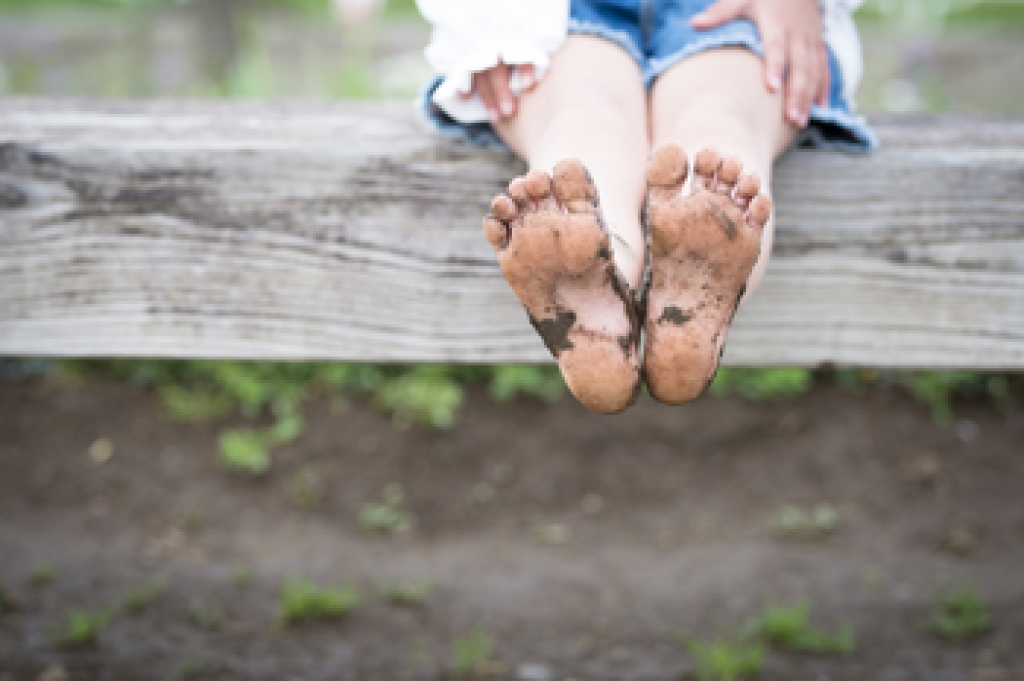
Although rare, foot fungus can affect even young children and infants, often appearing as dry, itchy, or peeling skin between the toes or on the soles. The infection thrives in warm, moist environments, such as sweaty socks or closed shoes. In babies, damp feet from prolonged use of booties or footed pajamas can create similar conditions. Such an infection can also come from using unclean nail clippers to trim a child’s toenails. A podiatrist can diagnose the infection and recommend child-safe antifungal creams or sprays. Keeping the feet clean and dry, using clean nail cutting tools, changing socks frequently, and allowing feet to air out each day are important steps for recovery. For infants, using breathable fabrics and avoiding tight coverings helps prevent moisture buildup. Parents should avoid home remedies that could irritate delicate skin. Instead, if your infant or child has signs of a fungal infection on their feet, it is suggested that you take them to see a podiatrist for gentle, effective treatment, and to help stop the fungus from spreading or returning.
The health of a child’s feet is vital to their overall well-being. If you have any questions regarding foot health, contact one of our podiatrists of Lewis Wolstein, DPM, P.C. & Associates. Our doctors can provide the care you need to keep you pain-free and on your feet.
Tips for Keeping Children's Feet Healthy
If you have any questions, please feel free to contact our office located in Co-Op City, NY . We offer the newest diagnostic and treatment technologies for all your foot care needs.
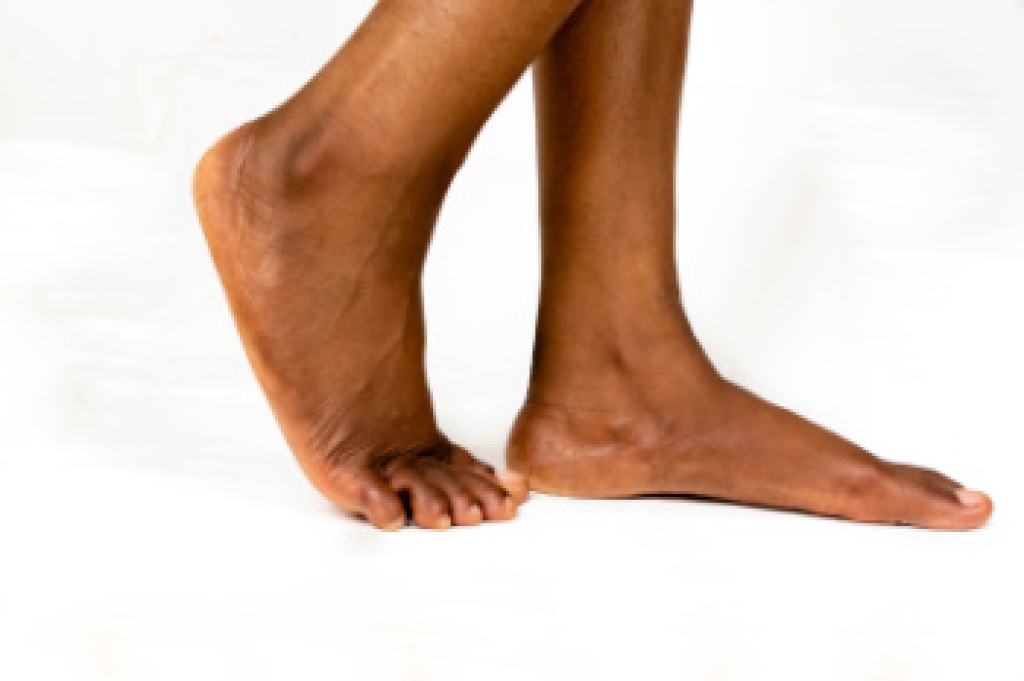
Flat feet occur when the arches of the feet collapse, causing the entire sole to touch the ground. This condition can lead to pain in the feet, ankles, and even the lower legs. Strengthening and stretching exercises are important for helping people with flat feet because they improve the function of the muscles that support the arch. Weak or imbalanced muscles, such as the posterior tibial muscle, can increase stress on the arch and contribute to plantar fasciitis, a painful inflammation of the band of tissue that connects the heel to the toes. Exercises designed to build strength in the foot and ankle help improve alignment, stability, and flexibility, allowing the feet to absorb impact more efficiently. A podiatrist can evaluate foot structure, recommend specific exercises, and suggest supportive footwear or custom orthotics to help manage pain. If you often have foot pain linked to flat feet, it is suggested that you schedule an appointment with a podiatrist for an exam and effective relief tips.
Flatfoot is a condition many people suffer from. If you have flat feet, contact one of our podiatrists from Lewis Wolstein, DPM, P.C. & Associates. Our doctors will treat your foot and ankle needs.
What Are Flat Feet?
Flatfoot is a condition in which the arch of the foot is depressed and the sole of the foot is almost completely in contact with the ground. About 20-30% of the population generally has flat feet because their arches never formed during growth.
Conditions & Problems:
Having flat feet makes it difficult to run or walk because of the stress placed on the ankles.
Alignment – The general alignment of your legs can be disrupted, because the ankles move inward which can cause major discomfort.
Knees – If you have complications with your knees, flat feet can be a contributor to arthritis in that area.
Symptoms
Treatment
If you are experiencing pain and stress on the foot you may weaken the posterior tibial tendon, which runs around the inside of the ankle.
If you have any questions, please feel free to contact our office located in Co-Op City, NY . We offer the newest diagnostic and treatment technologies for all your foot care needs.
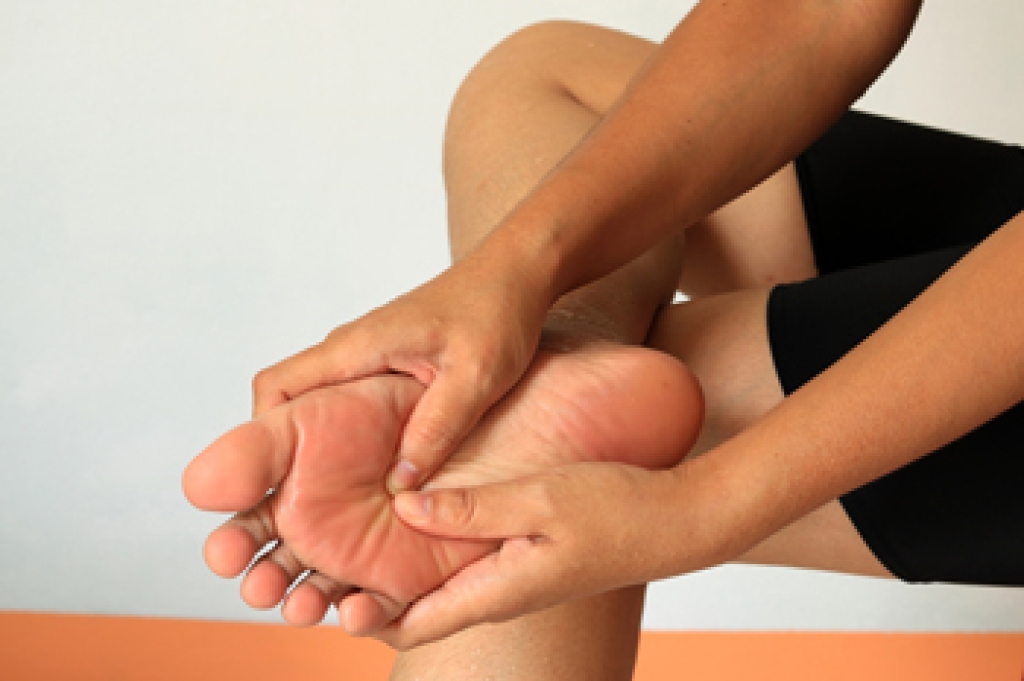
Pressure sores on the feet develop when prolonged pressure restricts blood flow, causing tissue breakdown and open wounds. They are more likely in people with limited mobility, diabetes, or poor circulation, as the heel, ankle, and ball of the foot are frequent points of stress. Preventive measures focus on reducing pressure and friction on these areas. This includes using properly fitting shoes that provide adequate support, avoiding prolonged pressure from tight straps or flip-flops, and protecting bony prominences of the feet with cushioning materials. Podiatrists often recommend devices that redistribute weight across the sole, lowering the risk of ulcer formation. They also check for early warning signs such as redness, skin thinning, or changes in sensation, which signal developing sores. In advanced cases, untreated pressure sores can lead to infection, difficulty walking, or even limb loss if surgery becomes necessary. If you have developed pressure sores, it is suggested that you make an appointment with a podiatrist for an exam and treatment.
Wound care is an important part in dealing with diabetes. If you have diabetes and a foot wound or would like more information about wound care for diabetics, consult with one of our podiatrists from Lewis Wolstein, DPM, P.C. & Associates. Our doctors will assess your condition and provide you with quality foot and ankle treatment.
What Is Wound Care?
Wound care is the practice of taking proper care of a wound. This can range from the smallest to the largest of wounds. While everyone can benefit from proper wound care, it is much more important for diabetics. Diabetics often suffer from poor blood circulation which causes wounds to heal much slower than they would in a non-diabetic.
What Is the Importance of Wound Care?
While it may not seem apparent with small ulcers on the foot, for diabetics, any size ulcer can become infected. Diabetics often also suffer from neuropathy, or nerve loss. This means they might not even feel when they have an ulcer on their foot. If the wound becomes severely infected, amputation may be necessary. Therefore, it is of the upmost importance to properly care for any and all foot wounds.
How to Care for Wounds
The best way to care for foot wounds is to prevent them. For diabetics, this means daily inspections of the feet for any signs of abnormalities or ulcers. It is also recommended to see a podiatrist several times a year for a foot inspection. If you do have an ulcer, run the wound under water to clear dirt from the wound; then apply antibiotic ointment to the wound and cover with a bandage. Bandages should be changed daily and keeping pressure off the wound is smart. It is advised to see a podiatrist, who can keep an eye on it.
If you have any questions please contact our office located in Co-Op City, NY . We offer the newest diagnostic and treatment technologies for all your foot and ankle needs.
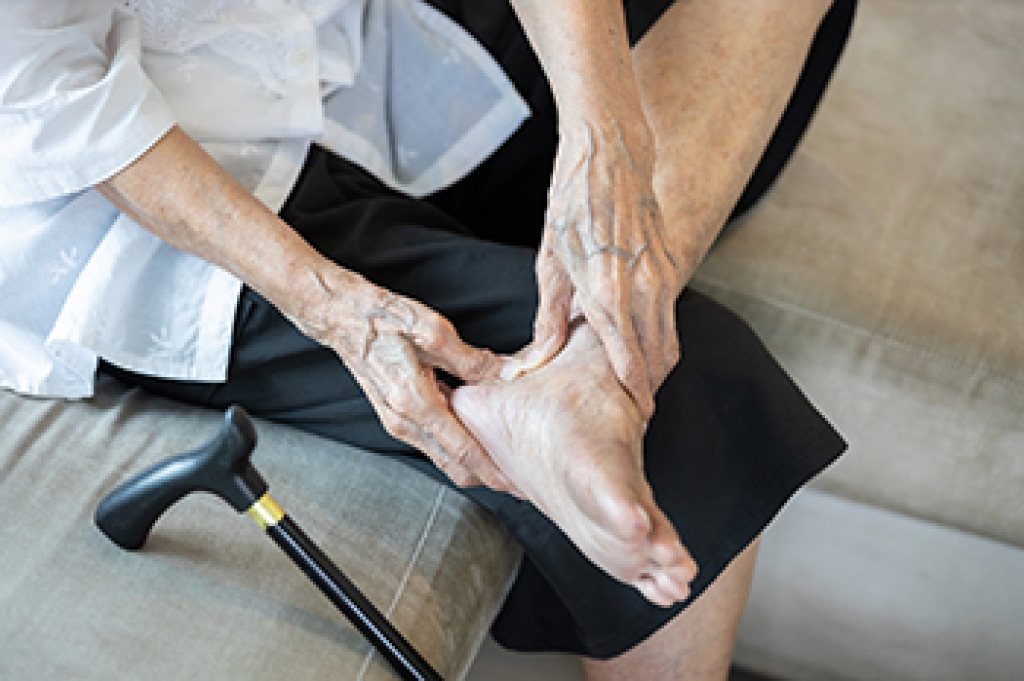
As we age, our feet reflect a lifetime of movement and wear. The skin becomes thinner, joints stiffen, and circulation often slows, making older adults more vulnerable to discomfort and injury. Common issues include bunions, hammertoes, thickened nails, calluses, and balance problems caused by arthritis or neuropathy. These conditions can make walking painful and increase the risk of falls or infections. Fortunately, many of these challenges can be managed effectively through professional podiatric care. A podiatrist can trim thick nails safely, treat painful deformities, provide cushioning or orthotic support, and monitor for underlying vascular or nerve changes. Early evaluation and routine visits help maintain mobility and independence by keeping the feet healthy and comfortable. If you or an elderly loved one notice pain, swelling, or changes in foot shape, it is suggested that you schedule an appointment with a podiatrist for personalized care and appropriate treatment.
If you need your feet checked, contact one of our podiatrists of Lewis Wolstein, DPM, P.C. & Associates. Our doctors will attend to all of your foot and ankle needs and provide you with quality treatment.
Geriatrics and Podiatry
When people age, some common issues that may occur are bone density loss, dry skin, poor circulation, and rough brittle nails. These issues may also affect your foot health if the necessary steps are not taken to alleviate the problems.
It is important to take care of your feet because feet that are injured or diseased can affect your overall health. Having painful feet hinders your ability to do daily activities or may decrease your willingness to do the things that you need to do.
Visiting Your Geriatrician
As we age, health problems become more likely, so it is essential to visit your doctor for check-ups to ensure that you are doing the best you can to take care of your health. It is recommended to check your feet frequently for any possible cuts, bruises, swelling, corns or any other irregularities.
Taking Care of Elderly Feet
Cracked or dry feet can be treated by applying moisturizer often. It is also important not to wear old socks because the older the sock is, the higher the possibility there will be that there is bacteria there. Wear fresh socks and make sure they fit properly.
Proper foot health means that you can have a more active lifestyle and you will not be bogged down by pain. Foot health also leads to good circulation, which is paramount for overall health.
If you have any questions, please feel free to contact our office located in Co-Op City, NY . We offer the newest diagnostic and treatment technologies for all your foot care needs.
Connect With Us
