
Your feet are covered most of the day. If you're diabetic, periodic screening is important for good health. Numbness is often a sign of diabetic foot and can mask a sore or wound.
Your feet are covered most of the day. If you're diabetic, periodic screening is important for good health. Numbness is often a sign of diabetic foot and can mask a sore or wound.

Gout is a form of inflammatory arthritis caused by a buildup of uric acid in the bloodstream, which then forms sharp crystals inside the joints. One of the most common and painful locations for a gout attack is the big toe. Symptoms include sudden and intense pain, swelling, redness, warmth, and tenderness in the joint. The big toe is especially vulnerable because it is the farthest joint from the heart, which can reduce efficient circulation, and it tends to be cooler than the rest of the body. Uric acid crystals form more easily in colder temperatures, making this joint a frequent target. Without proper care, repeated gout attacks can lead to joint damage. If your big toe is painful, it is suggested that you consult a podiatrist who can accurately diagnose the cause and provide appropriate treatment.
Gout is a painful condition that can be treated. If you are seeking treatment, contact one of our podiatrists from Lewis Wolstein, DPM, P.C. & Associates. Our doctors will treat your foot and ankle needs.
What Is Gout?
Gout is a form of arthritis that is characterized by sudden, severe attacks of pain, redness, and tenderness in the joints. The condition usually affects the joint at the base of the big toe. A gout attack can occur at any random time, such as the middle of the night while you are asleep.
Symptoms
Risk Factors
Prior to visiting your podiatrist to receive treatment for gout, there are a few things you should do beforehand. If you have gout you should write down your symptoms--including when they started and how often you experience them, important medical information you may have, and any questions you may have. Writing down these three things will help your podiatrist in assessing your specific situation so that he or she may provide the best route of treatment for you.
If you have any questions, please feel free to contact our office located in Co-Op City, NY . We offer the newest diagnostic and treatment technologies for all your foot care needs.

Healing from a broken ankle depends on fracture type, stability, and proper medical guidance. In certain cases, controlled walking introduced at the right time can encourage bone repair by improving blood flow and maintaining joint mobility. Gentle weight bearing may also reduce muscle weakness and stiffness during recovery. However, walking too soon without approval can disrupt alignment, increase pain, and slow healing. Diagnosis begins with a physical exam and imaging studies such as X-rays or advanced scans to determine severity. A podiatrist also considers swelling, bruising, and how the injury occurred. Treatment plans vary and may include immobilization, gradual weight bearing, targeted exercises, or surgery. Each case requires patience. If ankle pain, swelling, or difficulty walking continues during recovery, it is suggested that you see a podiatrist for a proper diagnosis and appropriate treatment.
test
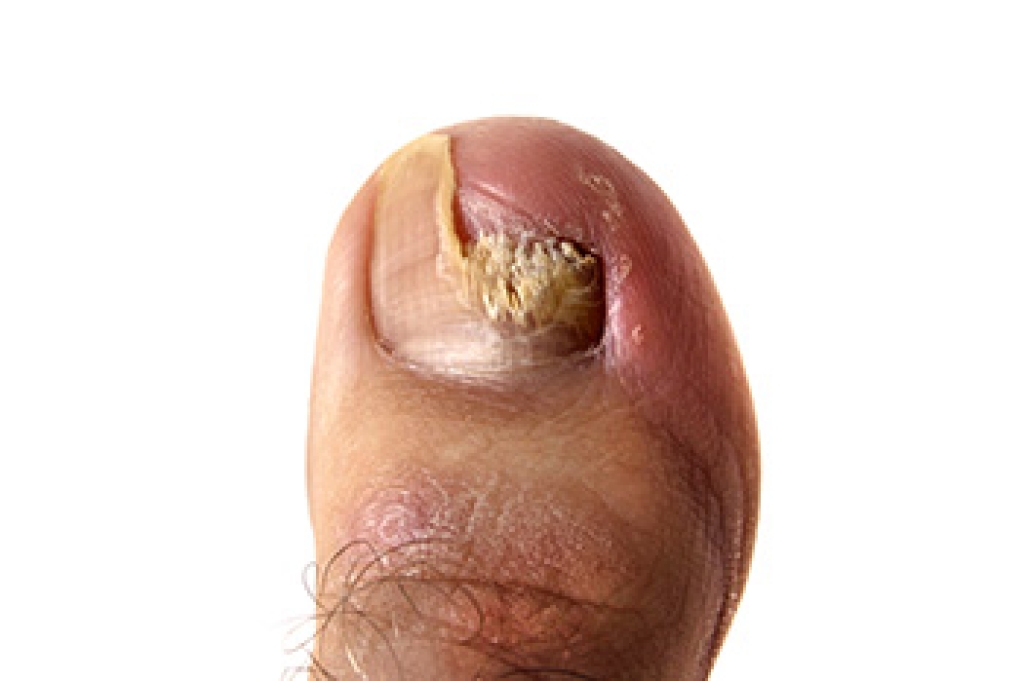
Toenail fungus develops when fungi enter the nail through small cracks, often thriving in warm, moist environments. It may begin subtly, but symptoms can progress to discoloration, thickening, and changes in nail shape. Many people notice yellow or white streaks, brittle texture, or debris under the nail. The affected nail may look dull, misshapen, or crumbly, and while it is sometimes painless, it can also feel tender, uncomfortable, or sensitive to pressure as it thickens. Causes include prolonged moisture exposure, tight footwear, nail injuries, or walking barefoot in shared areas like locker rooms. A podiatrist can help by starting with a thorough examination and testing to confirm the diagnosis, since nail changes can mimic other conditions. Treatment may begin with topical therapies and nail care, and progress to oral medications, or targeted procedures depending on severity and response. If you have toenail fungus, it is suggested that you make an appointment with a podiatrist.
For more information about treatment, contact one of our podiatrists of Lewis Wolstein, DPM, P.C. & Associates. Our doctors can provide the care you need to keep you pain-free and on your feet.
Toenail Fungus Treatment
Toenail fungus is a condition that affects many people and can be especially hard to get rid of. Fortunately, there are several methods to go about treating and avoiding it.
Antifungals & Deterrence
Oral antifungal medicine has been shown to be effective in many cases. It is important to consult with a podiatrist to determine the proper regiment for you, or potentially explore other options.
Applying foot powder on the feet and shoes helps keep the feet free of moisture and sweat.
Sandals or open toed shoes – Wearing these will allow air movement and help keep feet dry. They also expose your feet to light, which fungus cannot tolerate. Socks with moisture wicking material also help as well.
If you have any questions please contact our office located in Co-Op City, NY . We offer the newest diagnostic and treatment technologies for all your foot and ankle needs.
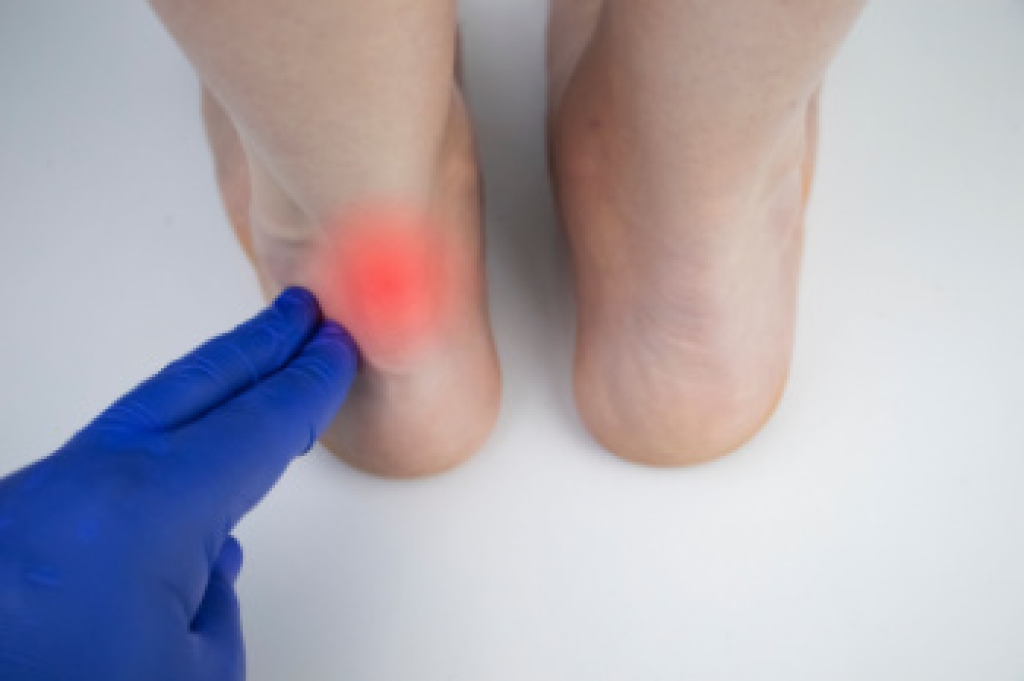
An Achilles tendon rupture is a serious injury involving a partial or complete tear of the tendon that connects the calf muscles to the heel bone. It is commonly caused by sudden increases in activity, forceful push off movements, trauma, or weakened tendons from overuse. Symptoms often include sudden pain in the back of the ankle, swelling, difficulty walking, and the sensation of hearing or feeling a pop at the time of injury. Loss of strength and limited ankle motion may follow. A podiatrist can help by performing a thorough evaluation, confirming the diagnosis, and developing a personalized treatment plan that may include immobilization, or surgical care, when needed. Early treatment is essential for optimal healing. If you experience sudden ankle pain or hear a popping sound, it is suggested that you promptly contact a podiatrist for a personalized treatment plan.
Achilles tendon injuries need immediate attention to avoid future complications. If you have any concerns, contact one of our podiatrists of Lewis Wolstein, DPM, P.C. & Associates. Our doctors can provide the care you need to keep you pain-free and on your feet.
What Is the Achilles Tendon?
The Achilles tendon is a tendon that connects the lower leg muscles and calf to the heel of the foot. It is the strongest tendon in the human body and is essential for making movement possible. Because this tendon is such an integral part of the body, any injuries to it can create immense difficulties and should immediately be presented to a doctor.
What Are the Symptoms of an Achilles Tendon Injury?
There are various types of injuries that can affect the Achilles tendon. The two most common injuries are Achilles tendinitis and ruptures of the tendon.
Achilles Tendinitis Symptoms
Rupture Symptoms
Treatment and Prevention
Achilles tendon injuries are diagnosed by a thorough physical evaluation, which can include an MRI. Treatment involves rest, physical therapy, and in some cases, surgery. However, various preventative measures can be taken to avoid these injuries, such as:
If you have any questions please feel free to contact our office located in Co-Op City, NY . We offer the newest diagnostic tools and technology to treat your foot and ankle needs.
Connect With Us
