Posterior Tibial Nerve Neuralgia

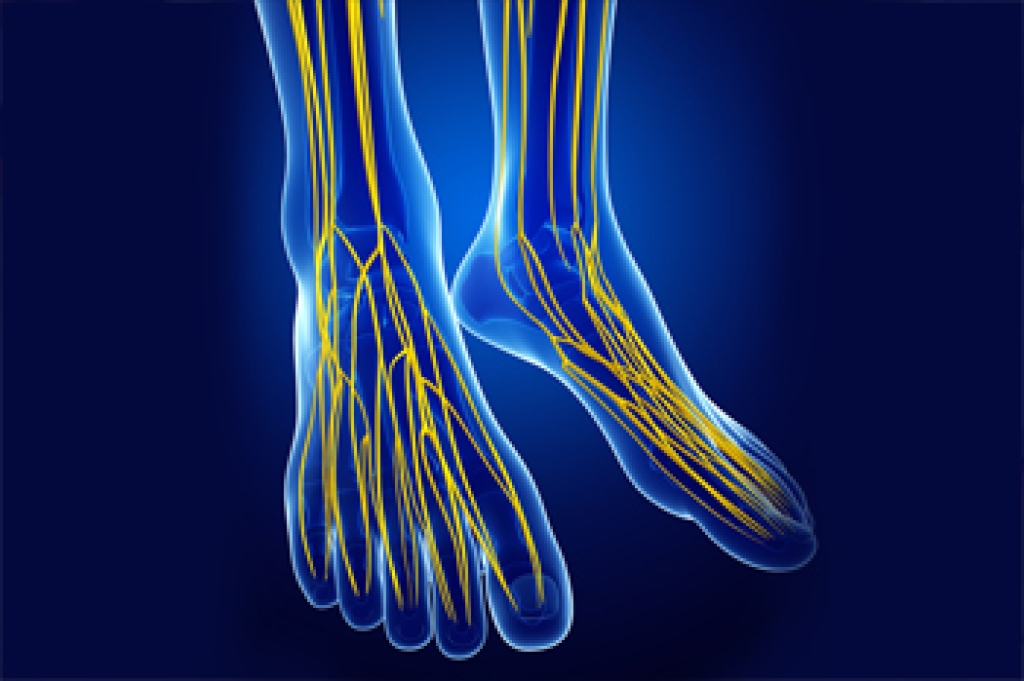
Posterior tibial nerve neuralgia, also known as tarsal tunnel syndrome, is a nerve disorder that is caused by compression of the posterior tibial nerve. This nerve runs through the tarsal tunnel, an area along the inside of the ankle that houses nerves, blood vessels, and tendons. When the posterior tibial nerve is compressed, it causes symptoms such as foot, ankle, and toe pain, a pins and needles sensation in the foot, and numbness. Conservative treatments such as resting and icing the foot, wearing orthotics, and taking pain medications can help relieve symptoms. For more information about tarsal tunnel syndrome and to discover the best course of treatment for you, please consult with a podiatrist. 

Tarsal tunnel syndrome can be very uncomfortable to live with. If you are experiencing tarsal tunnel syndrome, contact one of our podiatrists of Lewis Wolstein, DPM, P.C. & Associates. Our doctors can provide the care you need to keep you pain-free and on your feet.

Tarsal Tunnel Syndrome

Tarsal tunnel syndrome, which can also be called tibial nerve dysfunction, is an uncommon condition of misfiring peripheral nerves in the foot. The tibial nerve is the peripheral nerve in the leg responsible for sensation and movement of the foot and calf muscles. In tarsal tunnel syndrome, the tibial nerve is damaged, causing problems with movement and feeling in the foot of the affected leg.

Common Cause of Tarsal Tunnel Syndrome

  • Involves pressure or an injury, direct pressure on the tibial nerve for an extended period of time, sometimes caused by other body structures close by or near the knee.
  • Diseases that damage nerves, including diabetes, may cause tarsal tunnel syndrome.
  • At times, tarsal tunnel syndrome can appear without an obvious cause in some cases.

The Effects of Tarsal Tunnel Syndrome

  • Different sensations, an afflicted person may experience pain, tingling, burning or other unusual sensations in the foot of the affected leg.
  • The foot muscles, toes and ankle become weaker, and curling your toes or flexing your foot can become difficult.
  • If condition worsens, infections and ulcers may develop on the foot that is experiencing the syndrome.

A physical exam of the leg can help identify the presence of tarsal tunnel syndrome. Medical tests, such as a nerve biopsy, are also used to diagnose the condition. Patients may receive physical therapy and prescriptive medication. In extreme cases, some may require surgery.

If you have any questions please contact our office located in Co-Op City, NY . We offer the newest diagnostic and treatment technologies for all your foot and ankle needs.
Read more about Treating Tarsal Tunnel Syndrome

How to Care For an Ankle Sprain After Leaving the Doctor’s Office

If you have sprained your ankle it is very important to seek the care of a podiatrist who can diagnose and treat your injury. But treatment does not begin and end at the doctor’s office. There are many things that you may need to do at home to ensure that your ankle heals properly. You should try to keep weight off of your injured ankle by keeping it elevated by propping it up on a pillow in order to reduce swelling. Put ice on your injured ankle periodically for three days following your injury to control swelling. Take any pain medications and wear splints, braces, or other orthotics as prescribed. For more information about caring for a sprained ankle, please consult with your podiatrist. 

Ankle sprains are common but need immediate attention. If you need your feet checked, contact one of our podiatrists from Lewis Wolstein, DPM, P.C. & Associates. Our doctors can provide the care you need to keep you pain-free and on your feet.

How Does an Ankle Sprain Occur?

Ankle sprains take place when the ligaments in your ankle are torn or stretched beyond their limits. There are multiple ways that the ankle can become injured, including twisting or rolling over onto your ankle, putting undue stress on it, or causing trauma to the ankle itself.

What Are the Symptoms?

  • Mild to moderate bruising
  • Limited mobility
  • Swelling
  • Discoloration of the skin (depending on severity)

Preventing a Sprain

  • Wearing appropriate shoes for the occasion
  • Stretching before exercises and sports
  • Knowing your limits

Treatment of a Sprain

Treatment of a sprain depends on the severity.  Many times, people are told to rest and remain off their feet completely, while others are given an air cast. If the sprain is very severe, surgery may be required.

If you have suffered an ankle sprain previously, you may want to consider additional support such as a brace and regular exercises to strengthen the ankle.

If you have any questions please feel free to contact our office located in Co-Op City, NY . We offer the newest diagnostic tools and technology to treat your foot and ankle needs.

Read more about Ankle Sprains

What Kind of Running Shoes Do I Need?

There are many running shoes available on the market, and they can usually be classified into five different types of shoes: motion control, stability, cushioned, lightweight, and trail. Motion control running shoes are designed to reduce any excessive rolling in your gait while you run and provide extra shock absorption. These shoes are especially useful for someone with an overpronated gait. Stability running shoes are designed to stop excess motion in the foot and ankle. Cushioned running shoes absorb shock and help protect the feet. Lightweight running shoes are more flexible and can decrease pain and fatigue while running. Trail shoes are designed to help you run on rugged terrain. They are usually more durable and have a better grip than other types of running shoes. To find out which running shoes may be best for you, it is suggested that you consult with a podiatrist. 

You should always make sure your running shoes fit properly in order to avoid injury. For more information, contact one of our podiatrists from Lewis Wolstein, DPM, P.C. & Associates. Our doctors can provide the care you need to keep you pain-free and on your feet.

Choosing the Right Running Shoe for Your Foot Type

Improper shoe sizing can cause a myriad of problems for your feet. Shoes that don’t fit you properly can lead to muscular imbalances in your body, which can result in foot, knee, and hip injuries.

Tips for Finding the Right Running Shoe

  • Make sure you have a thumb’s width of wiggle room between the end of your longest toe and the front of the shoe.
  • There should be little to no slipping at the heel
  • Don’t assume your size in one shoe brand will be your size in another
  • Do not lace up your shoes too tightly
  • Walk around in the store with your new shoes before you buy them

If you have any questions, please feel free to contact our office located in Co-Op City, NY . We offer the newest diagnostic and treatment technologies for all your foot care needs.

Read more about Choosing the Right Running Shoe

Where Does Your Foot Hurt?

There are a variety of bones, ligaments and tendons in the foot, and any condition that affects these can be very painful. Foot pain can ruin daily life and become very complicated. Depending on the area of the foot that hurts, a variety of different injuries may be considered. Heel pain, which is one of the most debilitating forms of foot pain, is often a sign of heel spurs or plantar fasciitis (inflammation of the tissues along the bottom of the foot). Conditions such as sesamoiditis, metatarsalgia, or Morton’s neuroma, which is a thickening of tissues around the nerves, can lead to pain in the ball of the foot. Patients who are experiencing pain in the arch of the foot may be suffering from flat feet or fallen arches. Other issues such as gout, bunions, hammertoes, and turf toe can cause pain in the toes. Patients who are struggling with foot pain should consult with a podiatrist for a proper diagnosis and treatment.   

Foot Pain

Foot pain can be extremely painful and debilitating. If you have a foot pain, consult with one of our podiatrists  from Lewis Wolstein, DPM, P.C. & Associates. Our doctors will assess your condition and provide you with quality foot and ankle treatment.

Causes

Foot pain is a very broad condition that could be caused by one or more ailments. The most common include:

  • Bunions
  • Hammertoes
  • Plantar Fasciitis
  • Bone Spurs
  • Corns
  • Tarsal Tunnel Syndrome
  • Ingrown Toenails
  • Arthritis (such as Gout, Rheumatoid, and Osteoarthritis)
  • Flat Feet
  • Injury (from stress fractures, broken toe, foot, ankle, Achilles tendon ruptures, and sprains)
  • And more

Diagnosis

To figure out the cause of foot pain, podiatrists utilize several different methods. This can range from simple visual inspections and sensation tests to X-rays and MRI scans. Prior medical history, family medical history, and any recent physical traumatic events will all be taken into consideration for a proper diagnosis.

Treatment

Treatment depends upon the cause of the foot pain. Whether it is resting, staying off the foot, or having surgery; podiatrists have a number of treatment options available for foot pain.

If you have any questions, please feel free to contact our office located in Co-Op City, NY . We offer the newest diagnostic and treatment technologies for all your foot care needs.

Read more about Foot Pain

Connect With Us