
Painful deformities, such as hammertoes, can be treated. Stop living with foot pain, and have beautiful feet again!
Painful deformities, such as hammertoes, can be treated. Stop living with foot pain, and have beautiful feet again!

Toenail fungus, medically known as onychomycosis, is an infection caused by fungi that feeds on keratin which is the protein that makes up the hard surface of the toenails. This often leads to thickened, discolored, brittle, or distorted nails. Risk factors include poor foot hygiene, excessive moisture, wearing tight shoes, or having conditions like diabetes or weakened immunity. Diagnosis is made through a clinical exam and sometimes a lab test to confirm the fungal source. If you have symptoms of toenail fungus, it is suggested that you consult a podiatrist who can offer you effective treatment solutions, which may include prescribed medication.
For more information about treatment, contact one of our podiatrists of Lewis Wolstein, DPM, P.C. & Associates. Our doctors can provide the care you need to keep you pain-free and on your feet.
Toenail Fungus Treatment
Toenail fungus is a condition that affects many people and can be especially hard to get rid of. Fortunately, there are several methods to go about treating and avoiding it.
Antifungals & Deterrence
Oral antifungal medicine has been shown to be effective in many cases. It is important to consult with a podiatrist to determine the proper regiment for you, or potentially explore other options.
Applying foot powder on the feet and shoes helps keep the feet free of moisture and sweat.
Sandals or open toed shoes – Wearing these will allow air movement and help keep feet dry. They also expose your feet to light, which fungus cannot tolerate. Socks with moisture wicking material also help as well.
If you have any questions please contact our office located in Co-Op City, NY . We offer the newest diagnostic and treatment technologies for all your foot and ankle needs.

Gout is a form of arthritis that causes sudden, severe pain in the joints, most commonly in the big toe. It occurs when uric acid builds up in the blood, forming sharp crystals in the joints. This condition is often triggered by factors like a diet high in purines, which are found in red meat, seafood, and alcohol. Other risk factors include dehydration, obesity, or a family history of gout. Symptoms of gout include intense pain, swelling, redness, and warmth in the affected joint, often making even the light touch of a blanket unbearable. Attacks typically occur at night and can last for several days. A podiatrist can diagnose gout by evaluating your symptoms, performing a physical examination, and ordering blood tests or joint fluid analysis to check uric acid levels. Treatment options include medication to reduce inflammation, pain management, dietary recommendations, and lifestyle changes to prevent future flare-ups. If you have painful gout, it is suggested that you are under the care of a podiatrist.
Gout is a foot condition that requires certain treatment and care. If you are seeking treatment, contact one of our podiatrists from Lewis Wolstein, DPM, P.C. & Associates. Our doctors will treat your foot and ankle needs.
What Is Gout?
Gout is a type of arthritis caused by a buildup of uric acid in the bloodstream. It often develops in the foot, especially the big toe area, although it can manifest in other parts of the body as well. Gout can make walking and standing very painful and is especially common in diabetics and the obese.
People typically get gout because of a poor diet. Genetic predisposition is also a factor. The children of parents who have had gout frequently have a chance of developing it themselves.
Gout can easily be identified by redness and inflammation of the big toe and the surrounding areas of the foot. Other symptoms include extreme fatigue, joint pain, and running high fevers. Sometimes corticosteroid drugs can be prescribed to treat gout, but the best way to combat this disease is to get more exercise and eat a better diet.
If you have any questions, please feel free to contact our office located in Co-Op City, NY . We offer the newest diagnostic and treatment technologies for all your foot care needs.

Diabetic patients are at a greater risk for foot problems from two common complications. Diabetic peripheral neuropathy causes nerve damage that can reduce feeling in the feet, making it hard to detect injuries. Peripheral artery disease affects circulation by narrowing the arteries, which limits blood flow to the lower limbs and slows healing. These two issues combined can lead to infections, foot ulcers, or tissue death. In severe cases, surgery may be required, including loss of limb. To avoid such dire remedies, a diabetic foot exam from a podiatrist is important. This foot doctor can check for warning signs, including loss of sensation, changes in skin, poor blood flow, or bone deformities. The exam may include simple tests like a monofilament check for touch sensitivity, a tuning fork to test vibration sense, or a Doppler ultrasound to assess blood flow. Early detection helps avoid serious outcomes. If you have diabetes, it is strongly suggested that you are under the care of a podiatrist who can help you to manage this serious condition.
Diabetic foot care is important in preventing foot ailments such as ulcers. If you are suffering from diabetes or have any other concerns about your feet, contact one of our podiatrists from Lewis Wolstein, DPM, P.C. & Associates. Our doctors can provide the care you need to keep you pain-free and on your feet.
Diabetic Foot Care
Diabetes affects millions of people every year. The condition can damage blood vessels in many parts of the body, especially the feet. Because of this, taking care of your feet is essential if you have diabetes, and having a podiatrist help monitor your foot health is highly recommended.
The Importance of Caring for Your Feet
Patients with diabetes should have their doctor monitor their blood levels, as blood sugar levels play such a huge role in diabetic care. Monitoring these levels on a regular basis is highly advised.
It is always best to inform your healthcare professional of any concerns you may have regarding your feet, especially for diabetic patients. Early treatment and routine foot examinations are keys to maintaining proper health, especially because severe complications can arise if proper treatment is not applied.
If you have any questions, please feel free to contact our office located in Co-Op City, NY . We offer the newest diagnostic and treatment technologies for all your foot care needs.
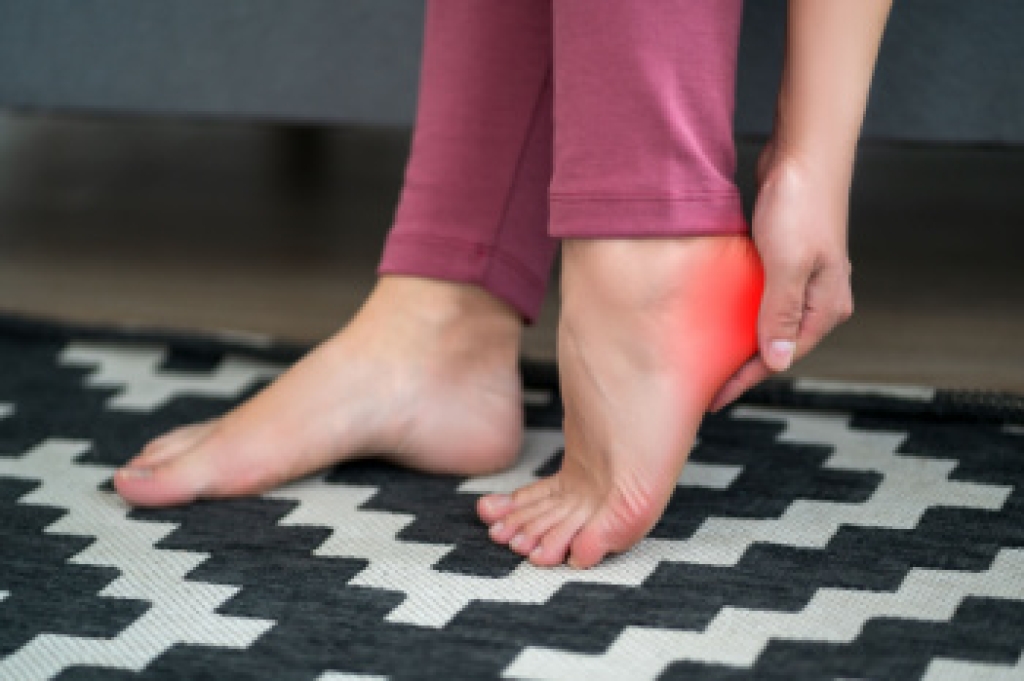
Heel spurs are small calcium deposits that build up on the heel bone over time. They form where the plantar fascia attaches to the heel, and they are often the result of repeated strain rather than a single injury. This pulling force is why heel spurs are called traction spurs. The constant tension from walking, running, or standing for long periods of time creates stress at the connection point. In response, the body lays down extra bone to protect the area. This extra growth is not always painful, but when it is, it can feel like a sharp stab with each step. Supportive shoes, rest, stretching, and custom orthotics can help reduce discomfort and prevent further damage. If you think a heel spur is causing your pain, it is suggested that you see a podiatrist for a proper diagnosis and appropriate treatment.
Heel spurs can be incredibly painful and sometimes may make you unable to participate in physical activities. To get medical care for your heel spurs, contact one of our podiatrists from Lewis Wolstein, DPM, P.C. & Associates. Our doctors will do everything possible to treat your condition.
Heels Spurs
Heel spurs are formed by calcium deposits on the back of the foot where the heel is. This can also be caused by small fragments of bone breaking off one section of the foot, attaching onto the back of the foot. Heel spurs can also be bone growth on the back of the foot and may grow in the direction of the arch of the foot.
Older individuals usually suffer from heel spurs and pain sometimes intensifies with age. One of the main condition's spurs are related to is plantar fasciitis.
Pain
The pain associated with spurs is often because of weight placed on the feet. When someone is walking, their entire weight is concentrated on the feet. Bone spurs then have the tendency to affect other bones and tissues around the foot. As the pain continues, the feet will become tender and sensitive over time.
Treatments
There are many ways to treat heel spurs. If one is suffering from heel spurs in conjunction with pain, there are several methods for healing. Medication, surgery, and herbal care are some options.
If you have any questions, please feel free to contact our office located in Co-Op City, NY . We offer the newest diagnostic and treatment technologies for all your foot care needs.
Connect With Us
