
If you are suffering from tenderness, pain, or stiffness in the joints of your feet or ankles, call us to schedule an appointment.
If you are suffering from tenderness, pain, or stiffness in the joints of your feet or ankles, call us to schedule an appointment.
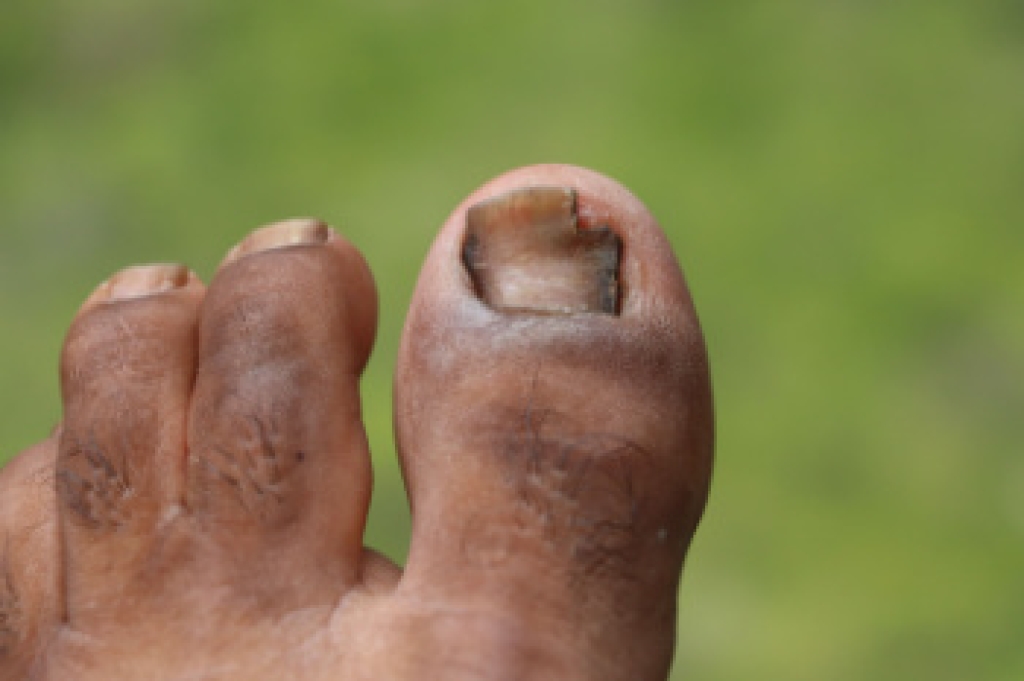
Toenail fungus is a common condition that can cause thickened, discolored, or brittle nails. However, not all changes in toenail appearance are due to fungus. Injuries to the nail bed can cause similar discoloration, as can psoriasis, eczema, or certain skin conditions that affect the nails. Repeated pressure from wearing tight shoes may lead to thickening and changes in shape. Some medications or systemic illnesses, such as thyroid disease, can also alter nail color or texture. Because these conditions can look alike, it is important not to self-diagnose or rely on over-the-counter treatments without confirmation. A podiatrist can examine the nail, possibly perform lab testing, and determine the true cause. Accurate diagnosis ensures that the right treatment is used, whether it is antifungal therapy or another form of care. If you notice nail changes, it is suggested that you see a podiatrist for a diagnosis and appropriate treatment.
If left untreated, toenail fungus may spread to other toenails, skin, or even fingernails. If you suspect you have toenail fungus it is important to seek treatment right away. For more information about treatment, contact one of our podiatrists of Lewis Wolstein, DPM, P.C. & Associates. Our doctors can provide the care you need to keep you pain-free and on your feet.
Symptoms
Treatment
If self-care strategies and over-the-counter medications does not help your fungus, your podiatrist may give you a prescription drug instead. Even if you find relief from your toenail fungus symptoms, you may experience a repeat infection in the future.
Prevention
In order to prevent getting toenail fungus in the future, you should always make sure to wash your feet with soap and water. After washing, it is important to dry your feet thoroughly especially in between the toes. When trimming your toenails, be sure to trim straight across instead of in a rounded shape. It is crucial not to cover up discolored nails with nail polish because that will prevent your nail from being able to “breathe”.
In some cases, surgical procedure may be needed to remove the toenail fungus. Consult with your podiatrist about the best treatment options for your case of toenail fungus.
If you have any questions please contact our office located in Co-Op City, NY . We offer the newest diagnostic and treatment technologies for all your foot and ankle needs.
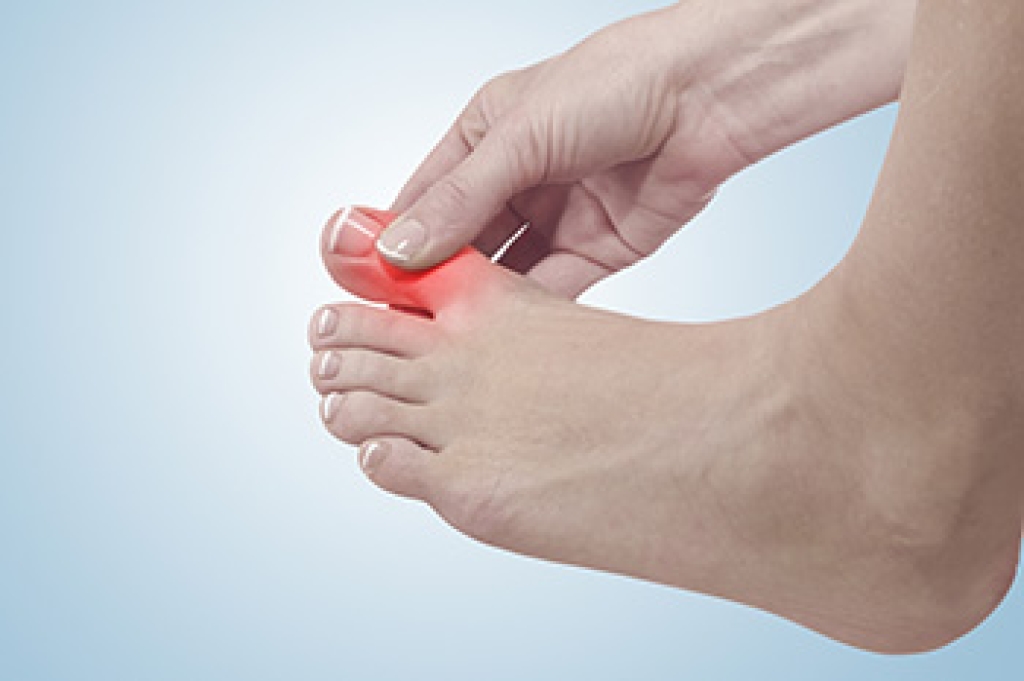
Gout is a form of arthritis caused by a buildup of uric acid in the blood, leading to sharp crystals forming in the joints, most commonly in the big toe. This condition often results from diets high in purines, which are found in red meat, shellfish, alcohol, and sugary drinks. Symptoms include sudden, intense pain, redness, swelling, and warmth in the affected joint, which may feel tender even to a light touch. Attacks can come on quickly, often at night, and can last for days or weeks. The affected area may appear shiny or purplish, and feel stiff or hot. A podiatrist can help diagnose gout through physical examination, blood tests, and imaging to detect joint inflammation or uric acid crystals. Managing gout often requires changes in diet and lifestyle, along with medications to reduce uric acid levels and inflammation. This type of doctor can offer guidance on foot care, proper footwear, and prevention strategies. If you are dealing with painful gout, it is suggested that you are under the care of a podiatrist who can help you to manage this uncomfortable condition.
Gout is a painful condition that can be treated. If you are seeking treatment, contact one of our podiatrists from Lewis Wolstein, DPM, P.C. & Associates. Our doctors will treat your foot and ankle needs.
What Is Gout?
Gout is a form of arthritis that is characterized by sudden, severe attacks of pain, redness, and tenderness in the joints. The condition usually affects the joint at the base of the big toe. A gout attack can occur at any random time, such as the middle of the night while you are asleep.
Symptoms
Risk Factors
Prior to visiting your podiatrist to receive treatment for gout, there are a few things you should do beforehand. If you have gout you should write down your symptoms--including when they started and how often you experience them, important medical information you may have, and any questions you may have. Writing down these three things will help your podiatrist in assessing your specific situation so that he or she may provide the best route of treatment for you.
If you have any questions, please feel free to contact our office located in Co-Op City, NY . We offer the newest diagnostic and treatment technologies for all your foot care needs.
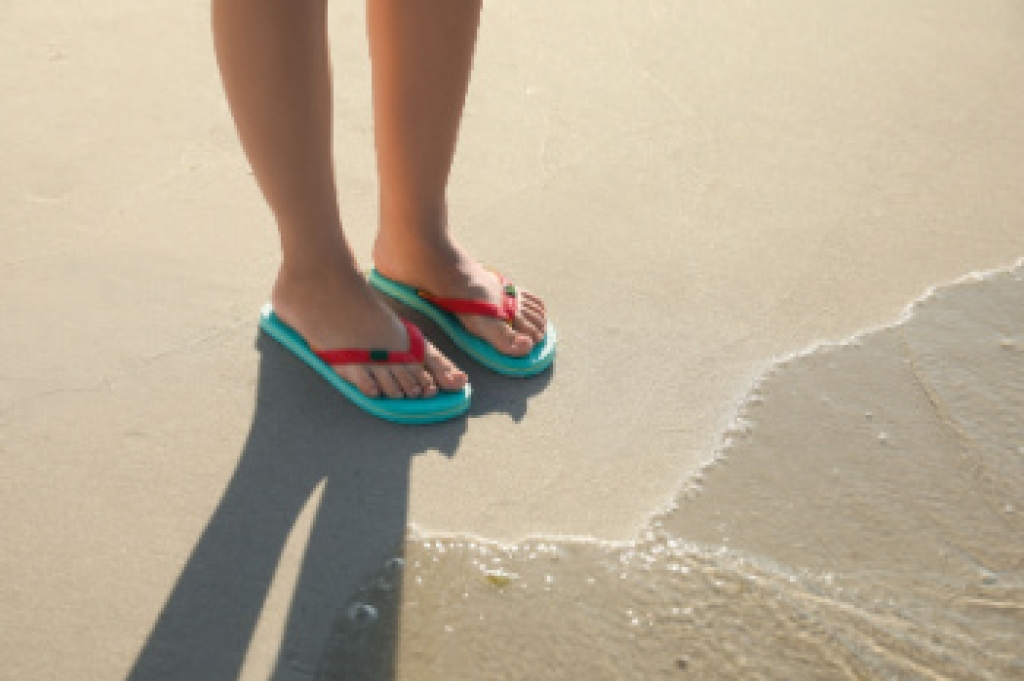
While convenient for casual wear, flip-flops can negatively affect gait and overall foot health. Their flat, thin soles provide little to no impact absorption, increasing stress on joints with each step. The lack of arch support often leads to excessive pronation, which may contribute to pain in the heels, ankles, or knees. Additionally, gripping the flip-flops with the toes can also cause strain and cause fatigue, especially during long periods of wear. A podiatrist can evaluate how your footwear choices affect your movement and recommend supportive alternatives or custom orthotics. If you experience foot discomfort after wearing flip-flops, it is suggested that you schedule a visit with a podiatrist who can treat various foot conditions.
Flip-flops are not always the best choice of footwear. If you have any concerns about your feet or ankles, contact one of our podiatrists from Lewis Wolstein, DPM, P.C. & Associates. Our doctors will assist you with all of your foot and ankle needs.
Flip-Flops and Feet
When the weather starts warming up, people enjoy wearing flip-flops. Flip-flops are comfortable, stylish, and easy to slip on and off; they're perfect for any summer beach goer. However, these shoes can cause harm to the feet.
How Can Flip-Flops Affect Me Long-Term?
Are There Injuries Associated with Flip-Flops?
Yes. Since flip-flops are relatively weak and do not provide the same amount of support as sneakers, people who wear flip-flops regularly are more susceptible to injuries. On top of that, the open nature of the shoe makes your feet more prone to other problems, such as cuts and even infections. Common injuries and ailments include:
I like Wearing Flip-Flops. Are There Safe Alternatives?
When buying flip-flops, try to find ones that have sturdy soles and that are made of high-quality materials that will support for your feet. These flip-flops will cost more but will also last longer as a result.
If you have any questions, please feel free to contact our office located in Co-Op City, NY . We offer the newest diagnostic and treatment technologies for all your foot care needs.
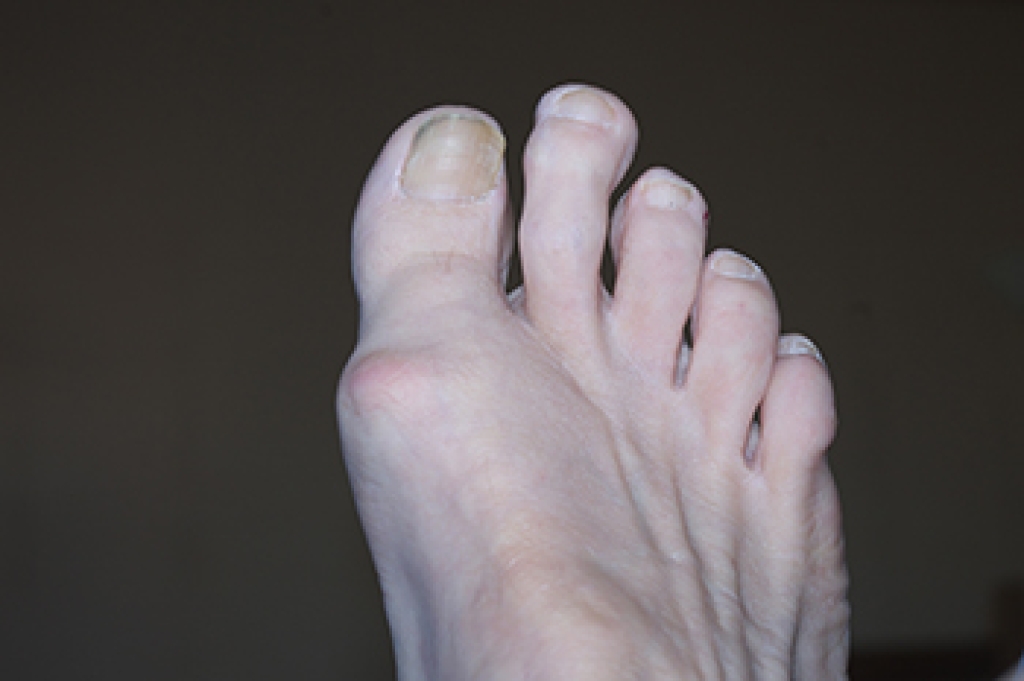
Morton’s toe is a common foot condition where the second toe is longer than the big toe. This structural variation can cause an uneven distribution of weight while walking or standing, leading to foot pain and discomfort. People with Morton’s toe may experience symptoms such as pain in the ball of the foot, calluses, or corns between the toes. The longer second toe may also cause imbalance and increased pressure on certain areas, resulting in fatigue or aching feet. A podiatrist can assess your foot structure and recommend treatments like custom orthotics to redistribute pressure, proper footwear to accommodate toe length, and exercises to strengthen foot muscles. Early intervention can help to reduce pain and prevent further complications. If you have this condition, it is suggested that you schedule an appointment with a podiatrist who can offer effective relief solutions.
Toe pain can disrupt your daily activities. If you have any concerns, contact one of our podiatrists of Lewis Wolstein, DPM, P.C. & Associates. Our doctors can provide the care you need to keep you pain-free and on your feet.
What Causes Toe Pain?
Most severe toe pain is caused due to a sports injury, trauma from dropping something heavy on the toe, or bumping into something rigid. Other problems can develop over time for various reasons.
Toe pain can be caused by one or more ailments. The most common include:
When to See a Podiatrist
Diagnosis
In many cases the cause of toe pain is obvious, but in others, a podiatrist may want to use more advanced methods to determine the problem. These can range from simple visual inspections and sensation tests to X-rays and MRI scans. Prior medical history, family medical history, and any recent physical traumatic events will all be taken into consideration for a proper diagnosis.
Treatment
Treatments for toe pain and injuries vary and may include shoe inserts, padding, taping, medicines, injections, and in some cases, surgery. If you believe that you have broken a toe, please see a podiatrist as soon as possible.
If you have any questions please contact our office located in Co-Op City, NY . We offer the newest diagnostic and treatment technologies for all your foot and ankle needs.
Connect With Us
