Foot or ankle pain can negatively affect your day-to-day life and can occur due to several different conditions. Pain can also be an indicator of a more serious underlying condition, which is why you should seek professional help as soon as you notice any abnormalities in your feet.
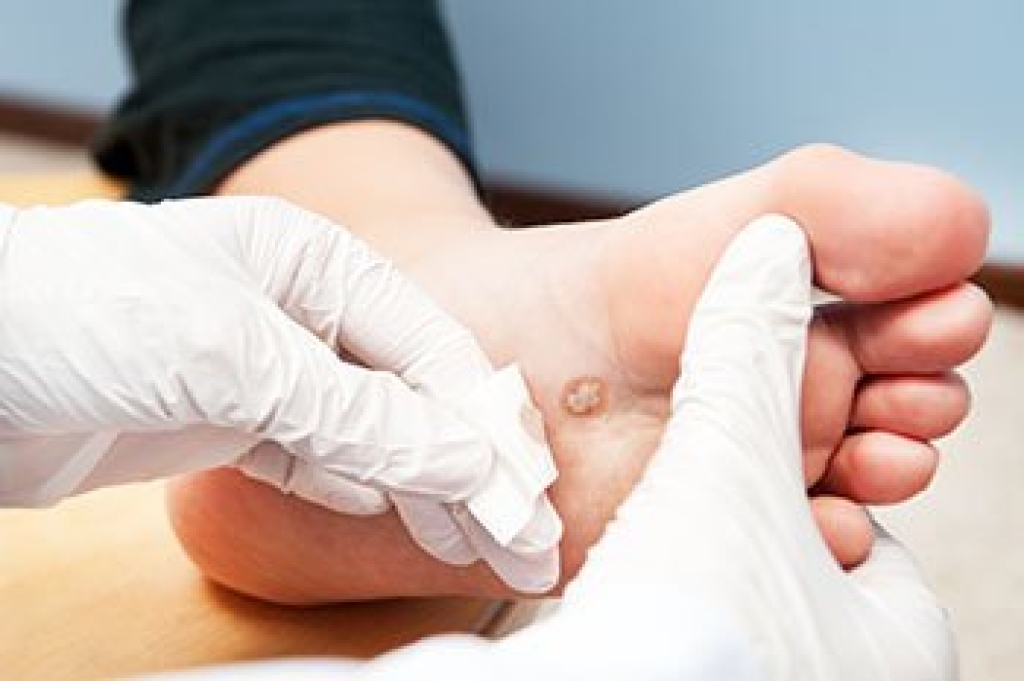
Nongenital cutaneous warts, often found on the feet and toes, are caused by strains of the human papillomavirus, or HPV. These warts may appear as rough, thickened areas and sometimes grow inward due to pressure from walking. Treatment depends on the location, size, and persistence of the wart. Topical salicylic acid can help in mild cases by gradually peeling away layers of the wart. Cryotherapy, which uses liquid nitrogen to freeze the wart, is a common in-office procedure. Other methods include laser therapy, chemical treatments, or immune-based therapies to stimulate the body’s natural defense. In some cases, a minor surgical procedure may be required to remove deeply rooted or stubborn warts. Avoiding barefoot walking in public areas can help prevent future infections. If you have a persistent wart on your foot that is painful or not responding to treatment, it is suggested you see a podiatrist for a diagnosis and appropriate treatment.
Plantar warts are the result of HPV, or human papillomavirus, getting into open wounds on the feet. They are mostly found on the heels or balls of the feet.
While plantar warts are generally harmless, those experiencing excessive pain or those suffering from diabetes or a compromised immune system require immediate medical care. Plantar warts are easily diagnosed, usually through scraping off a bit of rough skin or by getting a biopsy.
Symptoms
Lesions on the bottom of your feet, usually rough and grainy
Hard or thick callused spots
Wart seeds, which are small clotted blood vessels that look like little black spots
Pain, discomfort, or tenderness of your feet when walking or standing
Treatment
Freezing
Electric tool removal
Laser Treatment
Topical Creams (prescription only)
Over-the-counter medications
To help prevent developing plantar warts, avoid walking barefoot over abrasive surfaces that can cause cuts or wounds for HPV to get into. Avoiding direct contact with other warts, as well as not picking or rubbing existing warts, can help prevent the further spread of plantar warts. However, if you think you have developed plantar warts, speak to your podiatrist. He or she can diagnose the warts on your feet and recommend the appropriate treatment options.
If you have any questions, please feel free to contact our office located in Co-Op City, NY. We offer the newest diagnostic and treatment technologies for all your foot care needs.
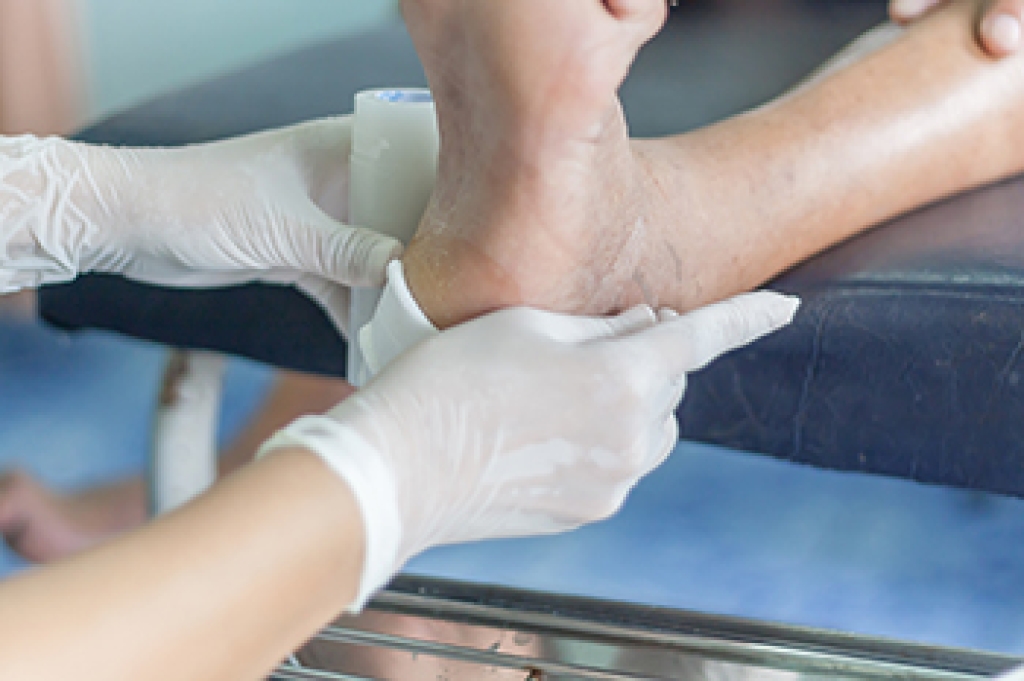
Heel pressure ulcers develop when prolonged pressure cuts off blood flow to the skin, often in people with limited mobility or underlying health conditions. These wounds can be painful, slow to heal, and prone to infection if not properly managed. Treatment begins by relieving pressure on the area. This might involve special cushions, offloading boots, or frequent repositioning. Keeping the skin clean and moisturized helps prevent further breakdown. A podiatrist may use dressings designed to promote healing and protect against bacteria. In more advanced cases, debridement or advanced wound therapies may be needed. Managing diabetes or circulation issues is also key to recovery. With consistent care, many pressure ulcers can heal and be prevented from returning. If you or a loved one has a sore on the heel that is not improving, it is suggested that you seek help from a podiatrist as quickly as possible.
Wound care is an important part in dealing with diabetes. If you have diabetes and a foot wound or would like more information about wound care for diabetics, consult with one of our podiatrists from Lewis Wolstein, DPM, P.C. & Associates. Our doctors will assess your condition and provide you with quality foot and ankle treatment.
What Is Wound Care?
Wound care is the practice of taking proper care of a wound. This can range from the smallest to the largest of wounds. While everyone can benefit from proper wound care, it is much more important for diabetics. Diabetics often suffer from poor blood circulation which causes wounds to heal much slower than they would in a non-diabetic.
What Is the Importance of Wound Care?
While it may not seem apparent with small ulcers on the foot, for diabetics, any size ulcer can become infected. Diabetics often also suffer from neuropathy, or nerve loss. This means they might not even feel when they have an ulcer on their foot. If the wound becomes severely infected, amputation may be necessary. Therefore, it is of the upmost importance to properly care for any and all foot wounds.
How to Care for Wounds
The best way to care for foot wounds is to prevent them. For diabetics, this means daily inspections of the feet for any signs of abnormalities or ulcers. It is also recommended to see a podiatrist several times a year for a foot inspection. If you do have an ulcer, run the wound under water to clear dirt from the wound; then apply antibiotic ointment to the wound and cover with a bandage. Bandages should be changed daily and keeping pressure off the wound is smart. It is advised to see a podiatrist, who can keep an eye on it.
If you have any questions please contact our office located in Co-Op City, NY. We offer the newest diagnostic and treatment technologies for all your foot and ankle needs.
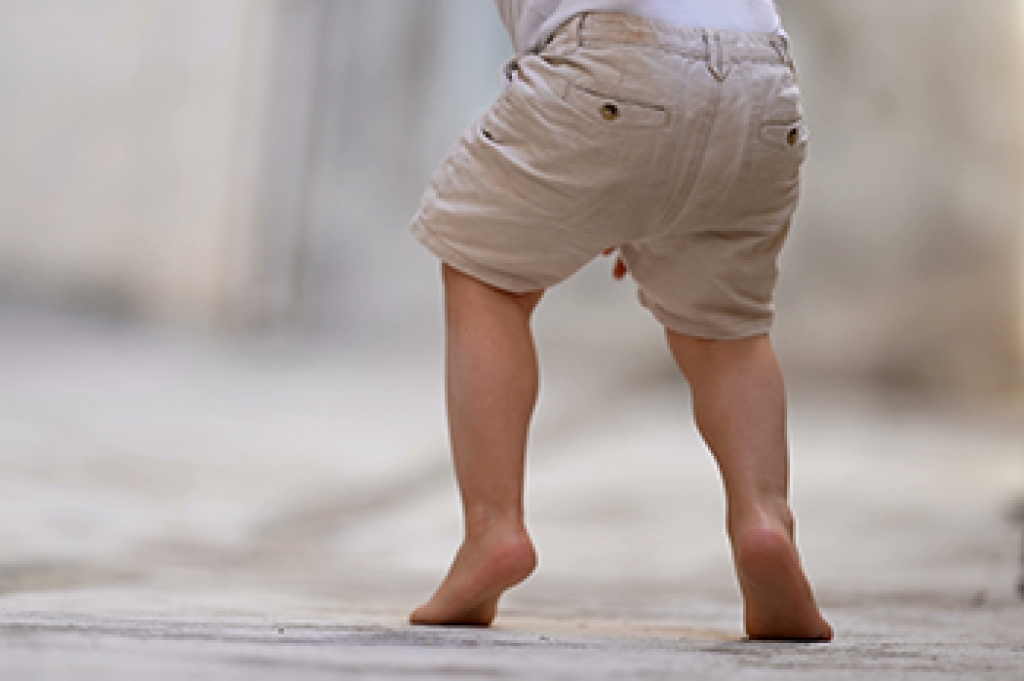
When a child walks on their toes without a medical cause, known as idiopathic toe walking, finding the right solution can be challenging. Two common devices used to address this issue are ankle-foot orthoses, or AFOs, and foot orthoses, FOs. AFOs tend to be more effective in altering walking patterns during treatment. However, some children return to toe walking once the device is removed. FOs offer a more comfortable and less restrictive option, making them more appealing to children and parents. Although FOs may not correct the walking pattern as strongly during use, children often maintain similar improvements when not wearing them. The balance between effectiveness and comfort is key when choosing a treatment. A podiatrist can help determine which option is most suitable for your child’s specific needs and lifestyle. If your child is toe walking, it is suggested that you see a podiatrist for a proper diagnosis and treatment.
Orthotics are inserts you can place into your shoes to help with a variety of foot problems such as flat feet or foot pain. Orthotics provide relief and comfort for minor foot and heel pain but can’t correct serious biomechanical problems in your feet.
Over-the-Counter Inserts
Orthotics come in a wide variety of over-the-counter inserts that are used to treat foot pain, heel pain, and minor problems. For example, arch supports can be inserted into your shoes to help correct overarched or flat feet, while gel insoles are often used because they provide comfort and relief from foot and heel pain by alleviating pressure.
Prescription Orthotics
If over-the-counter inserts don’t work for you or if you have a more severe foot concern, it is possible to have your podiatrist prescribe custom orthotics. These high-quality inserts are designed to treat problems such as abnormal motion, plantar fasciitis, and severe forms of heel pain. They can even be used to help patients suffering from diabetes by treating foot ulcers and painful calluses and are usually molded to your feet individually, which allows them to provide full support and comfort.
If you are experiencing minor to severe foot or heel pain, it’s recommended to speak with your podiatrist about the possibilities of using orthotics. A podiatrist can determine which type of orthotic is right for you and allow you to take the first steps towards being pain-free.
If you have any questions, please feel free to contact our office located in Co-Op City, NY. We offer the newest diagnostic and treatment technologies for all your foot care needs.
Middle-aged pickleball players are finding themselves sidelined by overuse injuries as the sport’s popularity surges. While the fast pace and fun atmosphere attract players in their 40s, 50s, and beyond, repetitive movements can take a toll on joints, tendons, and muscles. Common injuries include tennis elbow, shoulder strain, Achilles tendonitis, and plantar fasciitis, often caused by poor form, wearing improper footwear, or skipping warmups. Many players do not realize that frequent play without recovery increases the risk of chronic pain. Courts are packed with players who have not played sports in years, and their bodies are adjusting under pressure. Listening to your body, resting when sore, and adding strength and flexibility exercises can go a long way. If pain persists or interferes with play, it is smart to seek professional care. It is suggested that you see a podiatrist who can evaluate foot and ankle health and help prevent small problems from turning into long-term injuries.
Sports related foot and ankle injuries require proper treatment before players can go back to their regular routines. For more information, contact one of our podiatrists of Lewis Wolstein, DPM, P.C. & Associates. Our doctors can provide the care you need to keep you pain-free and on your feet.
Sports Related Foot and Ankle Injuries
Foot and ankle injuries are a common occurrence when it comes to athletes of any sport. While many athletes dismiss the initial aches and pains, the truth is that ignoring potential foot and ankle injuries can lead to serious problems. As athletes continue to place pressure and strain the area further, a mild injury can turn into something as serious as a rupture and may lead to a permanent disability. There are many factors that contribute to sports related foot and ankle injuries, which include failure to warm up properly, not providing support or wearing bad footwear. Common injuries and conditions athletes face, including:
Plantar Fasciitis
Achilles Tendinitis
Achilles Tendon Rupture
Ankle Sprains
Sports related injuries are commonly treated using the RICE method. This includes rest, applying ice to the injured area, compression and elevating the ankle. More serious sprains and injuries may require surgery, which could include arthroscopic and reconstructive surgery. Rehabilitation and therapy may also be required in order to get any recovering athlete to become fully functional again. Any unusual aches and pains an athlete sustains must be evaluated by a licensed, reputable medical professional.
If you have any questions please contact our office located in Co-Op City, NY. We offer the newest diagnostic and treatment technologies for all your foot and ankle needs.